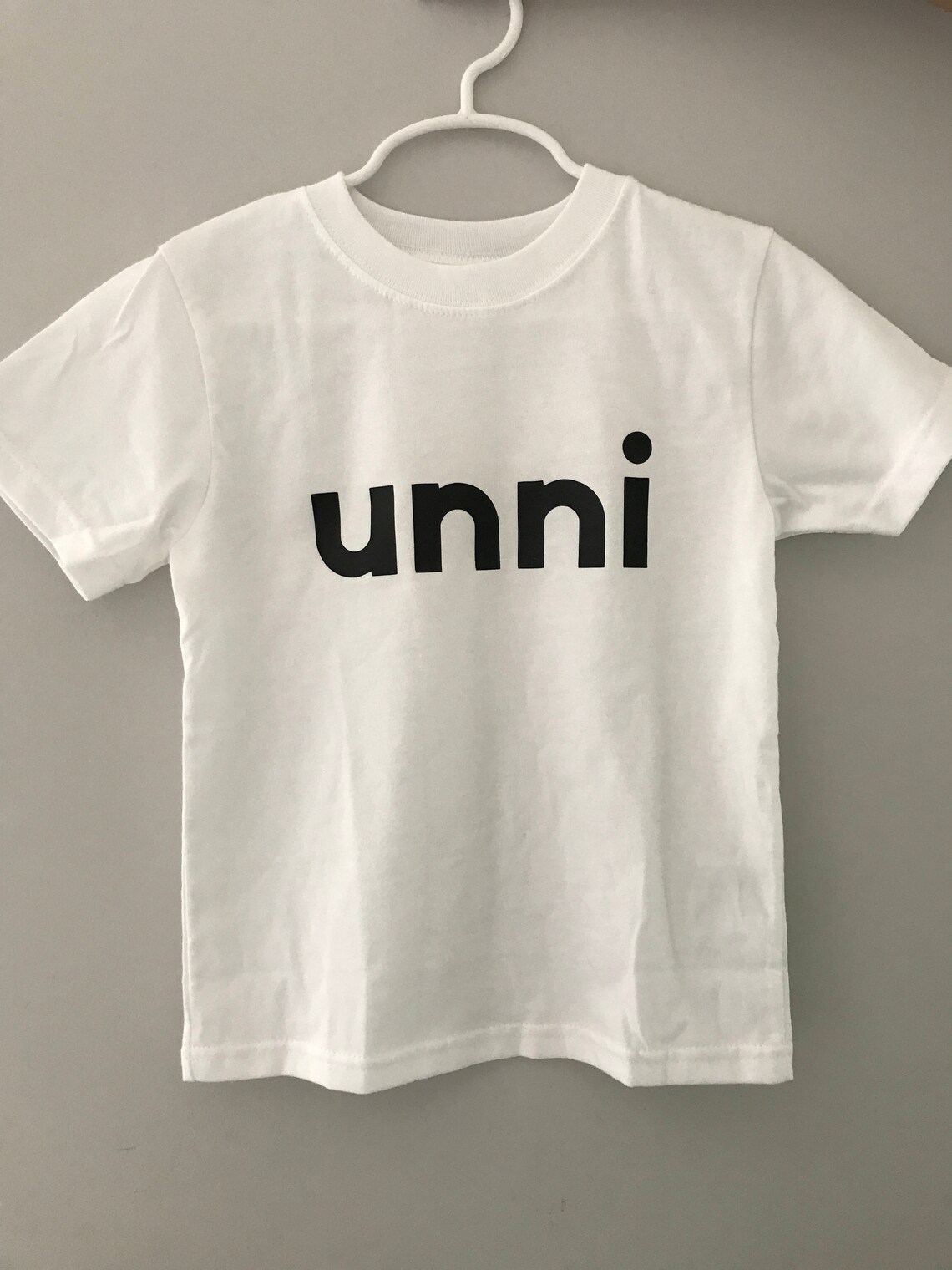
“Dolminjeongeum(돌민정음)” is a blend of the Korean words for “idol(아이돌)” (dol from idol) and “Hunminjeongeum(훈민정음)” referring to the original promulgation of the Korean alphabet. It describes a phenomenon where global K-pop fans adopt and use Korean words and phrases in their own contexts, blending cultural appreciation with linguistic creativity. This trend showcases the global impact of K-pop and the increasing international interest in learning and using the Korean language.
As an international marketer, leveraging Dolminjeongeum involves recognizing it as more than just Korean slang
Understanding the unique blend of language and culture in Dolminjeongeum is crucial for effective local marketing to global K-pop fans. This post explores the significance of embracing Dolminjeongeum, not just as Korean words, but as expressions of cultural pride among international fans. We delve into strategies for incorporating this linguistic phenomenon into marketing efforts, emphasizing the importance of genuine engagement with the target audience’s language. By leveraging Dolminjeongeum, brands can forge deeper connections with the global K-pop community, transcending traditional marketing approaches.
It’s a bridge to cultural engagement with global K-pop fans. To utilize Dolminjeongeum effectively
- Research and Understand: Immerse yourself in the K-pop fan culture to understand the commonly used Dolminjeongeum terms.
- Cultural Sensitivity: Use these terms in marketing materials to resonate with fans, but do so respectfully and authentically.
- Engagement: Incorporate Dolminjeongeum in social media campaigns to encourage interaction and shareability among K-pop communities.
- Localization: Tailor content to reflect the nuances of Dolminjeongeum, making it relevant and relatable to fans worldwide.
Dolminjeongeum Level – Beginner
- “unni (언니)” is used by a younger female to address an older sister or female friend
- “noona (누나)” by a younger male to an older sister or female friend
- “oppa (오빠)” is what a younger female calls an older brother or male friend
- “hyung (형)” is used by a younger male for an older brother or male friend.
- “saranghae(사랑해)” means “I love you,” a powerful expression of deep affection and care towards someone
- “mianhae(미안해)” translates to “I’m sorry,” indicating an apology or expression of regret for an action or mistake
Dolminjeongeum Level – Intermediate
- “hyung line(형라인)” in a K-pop group refers to the older members of the group, especially in boy bands. “Hyung” is a Korean term used by males to address older males, showing respect and acknowledging their seniority. In the context of a group, the hyung line often takes on roles of leadership, guidance, and support for the younger members, also known as the “maknae line(막내라인)”
- “ddechang(떼창)” refers to a “sing-along,” particularly at concerts where fans collectively sing parts of or entire songs along with the artist. This phenomenon, especially common in K-pop concerts, showcases the fans’ passion and unity. It’s a powerful moment of connection between the artists and the audience, often highlighted as a memorable part of live performances.
- “meokbang(먹방)” is a Korean term that combines the words for “eating” (meok-da) and “broadcast” (bang-song), referring to a popular online streaming trend where hosts eat large quantities of food while interacting with their audience. Originating in South Korea, meokbangs have gained international popularity, allowing viewers to experience the vicarious pleasures of eating and exploring various cuisines through the screen.
As the K-wave continues to make waves globally, Dolminjeongeum is poised for an intriguing evolution. This phenomenon could lead to the emergence of a new form of Korean, shaped by global influences and potentially challenging for native speakers to understand. This development signifies the deepening cultural exchange between Korea and the world, reflecting how languages can transform in the digital age, influenced by global fandoms and digital communication platforms.BBM
 DesireMoneyLab.com
댓글 남기기