
Navigating the business landscape of South Korea presents a unique set of challenges and opportunities for foreigners. Understanding local customs and business etiquette is crucial for success, not just in Korea but in global markets.
This guide distills essential tips for effective communication, business protocols, and relationship-building in South Korea, alongside universal etiquette principles for international business. Whether you’re heading to Seoul for business or aiming to polish your global professional interactions, this article serves as a concise toolkit for thriving in diverse business environments.
1. Cultural Differences
- Hierarchy and Respect: Korean culture places a strong emphasis on hierarchy. Age and status play crucial roles in social and business interactions. Demonstrating respect and using proper titles is crucial.
- Collectivism: Korea has a collectivist culture where the group’s interests often precede individual ones. Emphasis is placed on teamwork and achieving organizational goals.

2. Communication Style
- Indirect Communication: Koreans often prefer an indirect communication style. There is a tendency to avoid direct refusal or negative feedback, opting instead for metaphorical expressions or non-verbal cues.
- Use of Honorifics: The Korean language features various levels of honorifics to show respect. Using the appropriate language in a business context is very important.

3.Business Protocol
- Business Card Exchange: Exchanging business cards is a mandatory ritual during first meetings. Use both hands to give and receive cards, and take a moment to read the card respectfully.
- Formal Initial Meetings: The first business meeting is typically more about getting to know each other, starting with greetings or light conversation rather than diving straight into business discussions.

4.Time Management
- Punctuality: Being on time is taken very seriously in Korea. It’s considered polite to inform the other party in advance if you are going to be late.
- Quick Decision Making: There’s a preference for quick decision-making in business contexts. However, significant decisions might require several discussions and the approval of higher-ups.

5.Business Relationships
- Building Relationships: In Korea, there’s a tendency to develop business relationships into personal ones. Trust and mutual respect are vital for maintaining long-term business partnerships.
- Networking and Socializing: Social activities following business, such as dinners or gatherings, are an essential part of strengthening relationships and fostering teamwork. These occasions allow for more intimate conversations, building understanding, and trust.

Additionally, I have incorporated etiquette commonly accepted in global business practices.
6.Universal Business Etiquette
- Professional Attire: Dressing professionally and appropriately for the business environment shows respect and seriousness about the engagement. While the definition of ‘professional’ can vary by culture, erring on the side of conservatism until you understand the specific expectations is wise.
- Punctuality: Being on time is a universally respected practice in business settings. It signifies respect for the other party’s time and commitment to the engagement. In cases where delay is unavoidable, notifying the other party as soon as possible is expected.
- Listening Skills: Active listening demonstrates respect and interest in what the other party has to say. It involves maintaining eye contact, nodding, and occasionally summarizing the other’s points to show understanding.
- Direct Communication: While the preference for direct versus indirect communication can vary by culture, clarity in conveying your ideas and openness to feedback are appreciated universally. However, it’s essential to balance directness with diplomacy to avoid misunderstandings.
- Follow-Up: After meetings, it’s courteous to send a follow-up email or message thanking the participants for their time and summarizing the next steps or agreements reached. This helps maintain clarity and keeps the momentum going.
- Personal Space: Respect for personal space is important, though the acceptable distance can vary by culture. Observing and mimicking the other party’s physical distance can be a safe approach.
- Electronic Etiquette: In today’s digital world, being mindful of electronic communication etiquette is crucial. This includes responding to emails in a timely manner, being concise, and using professional language. During meetings, silencing cell phones and refraining from checking them frequently can show respect and full engagement with the present discussion.
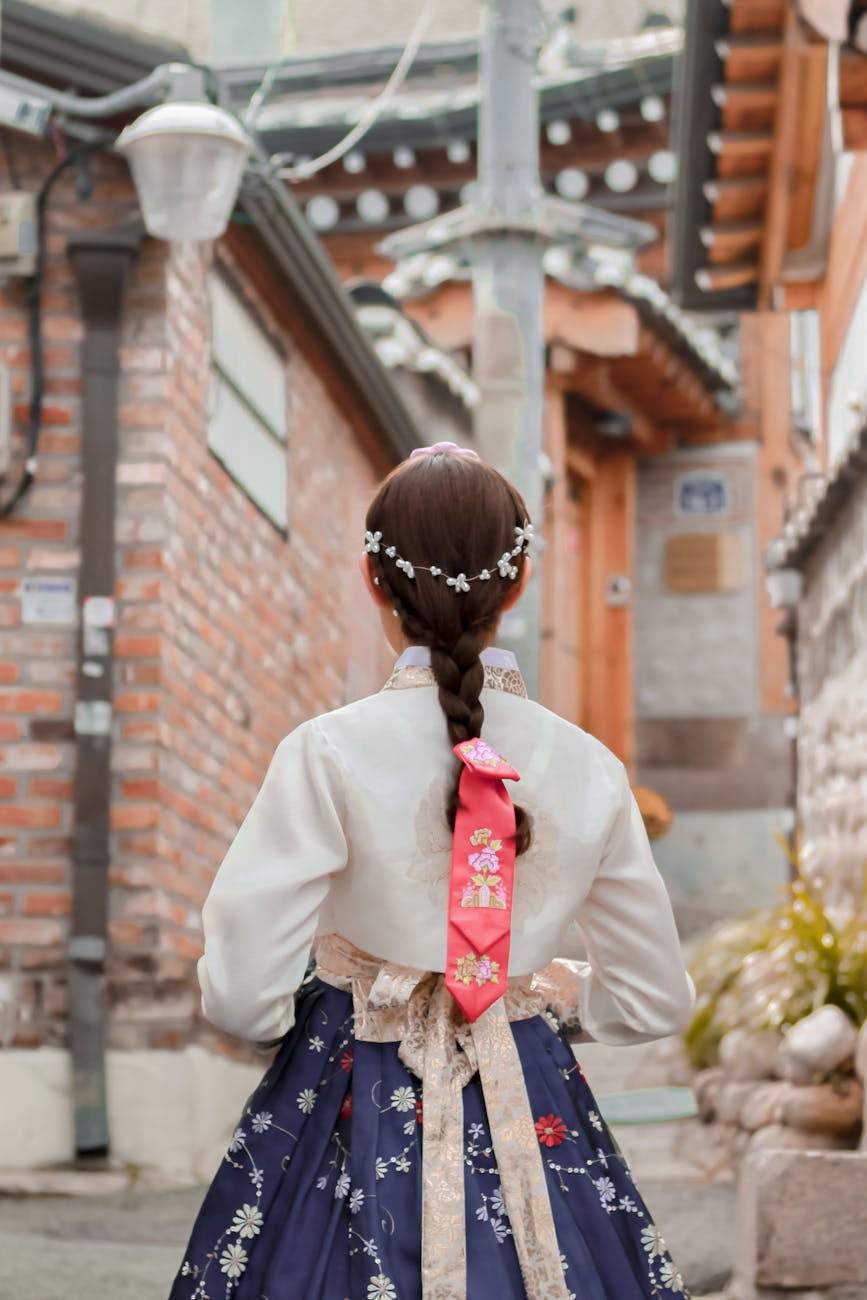
The younger generation in Korea, already dialed into the global scene, is likely well-acquainted with the ins and outs of international business etiquette. However, rest assured, there’s hardly anyone in Korea who wouldn’t respect and admire a foreigner’s earnest attempt to master and respect Korea’s unique business customs. Your dedication to embracing these practices will undoubtedly earn you accolades and respect. BBM
 DesireMoneyLab.com
댓글 남기기